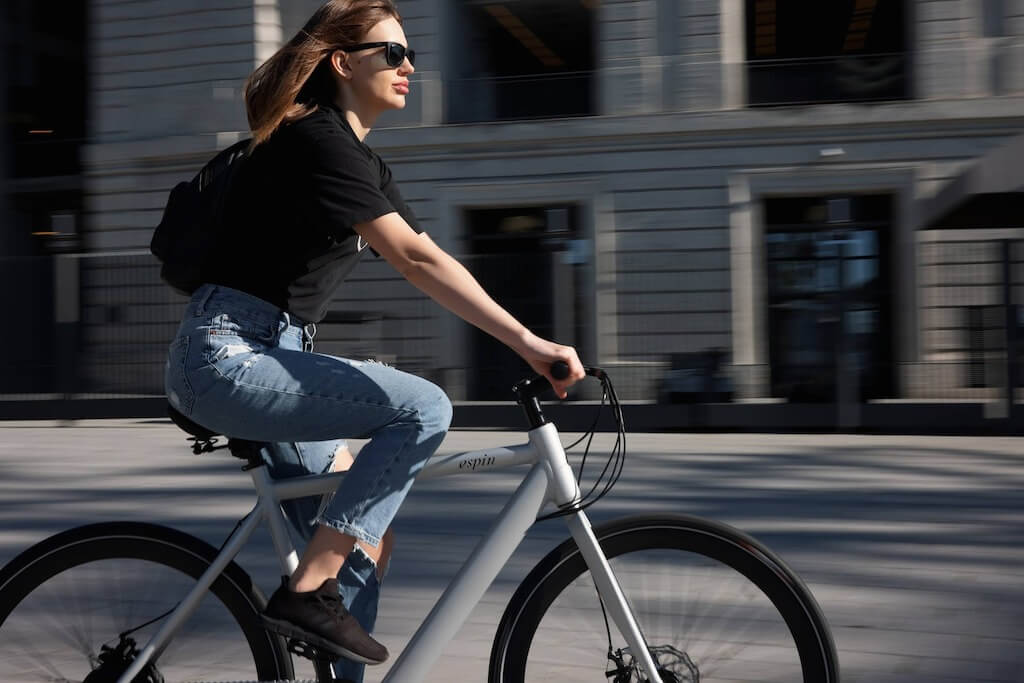
From E-Bikes to E-Wings: The Future of Urban Mobility
Cities evolve around how people move. For a century, streets prioritized private cars; now the hierarchy is up for debate. Electric bikes, scooters, cargo cycles, small shuttles, and pilot projects for electric aircraft all claim space and attention. The question is no longer whether cities will change, but how fast, for whom, and with what tradeoffs.
A practical way to read the moment is to follow friction: where people lose time, where deliveries jam, where buses crawl, and where sidewalks spill over with devices. Each pain point signals a place for redesign. Experiments come quickly; some work, others do not. To understand how incentives and chance can pull decisions into short cycles—and what that might mean for travel choices—you can click here to see how rapid feedback loops shape behavior in other contexts.
Why E-Bikes Became the Baseline
Electric assist changed cycling from a fitness test to a practical option for many trips. It flattened hills, extended range to five or six kilometers without sweat, and turned headwinds into mild inconvenience. Households began to reassign errands and commutes. The shift is not just personal; it changes fleet logic. Cargo e-bikes can replace vans for dense deliveries, cut curb conflicts, and move through narrow streets without blocking lanes.
For planners, this means the humble protected lane becomes a high-capacity corridor. One lane of safe micromobility can carry far more people per hour than a lane of private cars, at lower public cost. But the promise depends on two things: reliable protection from traffic and secure storage at both ends of the trip. Without those, adoption plateaus.
The Coming Layer: E-Wings in the City
Electric vertical-lift craft—call them e-wings—aim to connect points that are hard to reach by surface. They cut river crossings, port bottlenecks, or ridge lines that strain buses. They do not scale like buses or bikes; they serve specific corridors where time savings are large, demand is steady, and noise limits are strict. Their case rests on three arguments: high reliability, predictable flight paths that avoid neighborhoods, and integration with existing hubs.
If e-wings remain premium shuttles, they will matter at the edges of the network. If battery density improves and costs fall, they could shift specialized freight—organs, lab samples, urgent parts—off congested roads. Either way, the link to ground access is decisive; a fast flight that ends with a 20-minute transfer will not win riders.
Curb Space: The New Battleground
Bikes, delivery robots, shared vans, and ride-hail all compete for the same ten meters: the curb. Most cities price parking by month but give pick-up and drop-off space away for free. That misprices time and causes double-parking, blocked bus lanes, and unsafe weaving.
A simple fix is dynamic curb management. Mark space by function—loading, micromobility, passenger pick-up—and charge by minute with peak and off-peak rates. Pair this with strict camera enforcement and clear paint. The goal is fast turnover, not punishment. When curbs flow, buses stay on schedule and riders trust the system.
Pricing That Nudges Without Punishing
The temptation is to subsidize everything that sounds green. Better is to price outcomes. If a vehicle uses lots of space per person at busy times, it pays more. If it carries many people in little space, it pays less or gets paid. Distance-based road charges, variable parking, and smart tolls are blunt tools that can be tuned; the key is transparency and a clear use of proceeds—safer streets, better sidewalks, and frequent transit.
Subsidies should target results: verified mode shift, equitable access areas, and late-night coverage. Pilot, measure, adjust. Programs that cannot state their goal in a sentence usually fail.
Safety First, Design Always
Speed differential is the main risk in mixed traffic. Paint alone does little. Physical separation reduces crashes for bikes and scooters; signal priority reduces conflicts for buses. For e-wings, safety lives in redundancy: multiple motors, strict weather minima, certified routes, and controlled landing pads. Public trust will follow a record of routine, not marketing.
Post-crash learning needs a common format across modes. Publish anonymized incident data with location, time, and contributing factors. When patterns appear, redesign the site. Treat every repeat crash as a design failure until proven otherwise.
The Energy Question: Power, Peaks, and Places to Plug In
Electrification shifts emissions from tailpipes to grids. Midday solar can cover daytime charging, but evening peaks create stress. Cities should steer fleets toward off-peak charging through price signals and depot schedules. Fast chargers belong where dwell times are short; slower chargers fit where vehicles sit overnight. Safe cabling and weather protection matter more than hype; broken plugs kill trust.
For e-wings, charging pads at nodes must work like well-run bus depots: fast turnarounds, clear safety zones, and on-site storage to buffer grid spikes.
Data Without Surveillance Bloat
Operations need data, but privacy rules should be simple: collect only what the service needs to function; aggregate by default; delete on a schedule; share with the city through open standards that strip identifiers. Standardized “trip receipts” allow auditors to verify claims without exposing riders. This approach keeps coordination high and risk low.
Equity: Access by Design, Not Slogan
Left to markets, new modes cluster in wealthy districts. To counter that, set coverage floors, require a portion of fleets in underserved areas, and offer capped fares for low-income users with a simple sign-up. Invest first where buses are slow and sidewalks are broken. Build ramps and wide lanes; pair stations with lighting and benches. Safety and dignity are not extras; they are prerequisites for adoption by those who need mobility most.
Freight: The Quiet Driver of Change
Groceries, parcels, and meal boxes now dominate curb activity. Small electric cargo fleets and neighborhood consolidation points can cut van trips. Time-window deliveries—early morning and late evening—spread demand. If e-wings find a role, it may start with urgent freight, not passengers, where tolerance for cost is higher and schedules are simpler.
Governance: How to Decide Faster and Learn in Public
Cities often plan on decade timelines while technology and demand move yearly. A better rhythm is “build small, measure, lock in the wins.” Create a standing lane conversion team with authority to pilot, evaluate, and iterate. Publish dashboards on speed, safety, and usage. When a project meets clear targets, make it permanent; if not, revise or remove without drama.
Contracts should reward performance, not promises. Pay for on-time trips, verified coverage, and safety records. Avoid vendor lock-in by using open interfaces and transferable permits. The city’s job is to set goals and rules, then hold providers to them.
What Success Looks Like
A successful future will not be defined by one signature mode. It will look like a calm street grid where most trips under five kilometers go by foot, bike, or small electric vehicles; where buses and trains run often and on time; where curbs turn over quickly; where freight shows up without blocking lanes; and where a few high-value corridors connect to e-wing pads that serve specialized needs.
The test is time saved per person across the whole network, not headlines about a single vehicle. When parents can plan the school run without stress, when a night-shift worker gets home safely, when deliveries arrive without horns and hazards, the system is working.
Closing Thought
Urban mobility is not a gadget contest. It is a choreography of space, time, price, and trust. E-bikes reshaped the floor. E-wings may add a careful ceiling. Everything in between is policy, paint, and patience—thousands of small decisions that, together, let a city move with less friction and more fairness.