Skytexla.com Review of Platform: Does the Quant-Driven Approach Hold Up on Paper?
Plenty of trading sites say they put data ahead of gut instinct. Few back that claim with a single figure. This Skytexla.com Review starts with that gap.
Skytexla is based in London and serves family offices, endowments, proprietary desks, and accredited individuals. Its pitch rests on rule-based models and a few public market readings. The sections below cover the approach, the dashboard, and how steady the site’s message stays.
What Is a Rule-Based Trading Approach in Plain English?
Put simply, trades follow instructions instead of hunches. Skytexla describes its models as fully quantitative and automated. In this Skytexla.com Review, that idea is central.
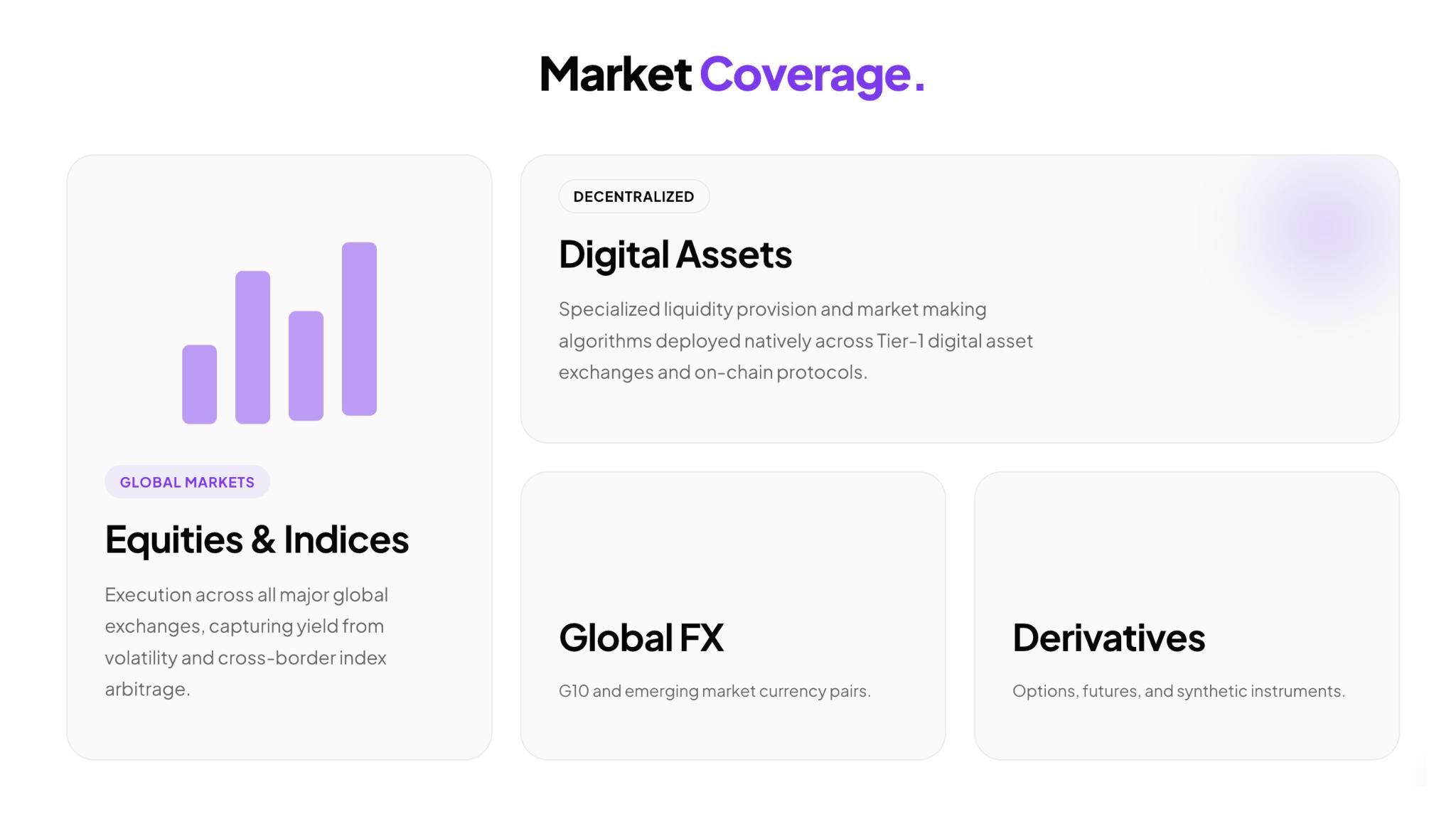
The site lists four pillars. They are algorithmic architecture, risk engines, liquidity aggregation, and latency optimization. Each gets a brief mention without much technical depth.
How Do the Models Hunt for Pricing Gaps?
According to the site, the models spot statistical inefficiencies in global order books. An order book is a running tally of buy and sell orders for an asset. When prices drift out of line, a gap appears.
The models also use deep historical tick data, which records every price change. Skytexla says this lets them adapt as the market moves. The site does not say how often that happens.
Then there are market regimes, or phases of calm and volatility. The dashboard reading is meant to reflect them. That link helps the story on the site hold together.
Why Is Speed Such a Big Part of the Story?
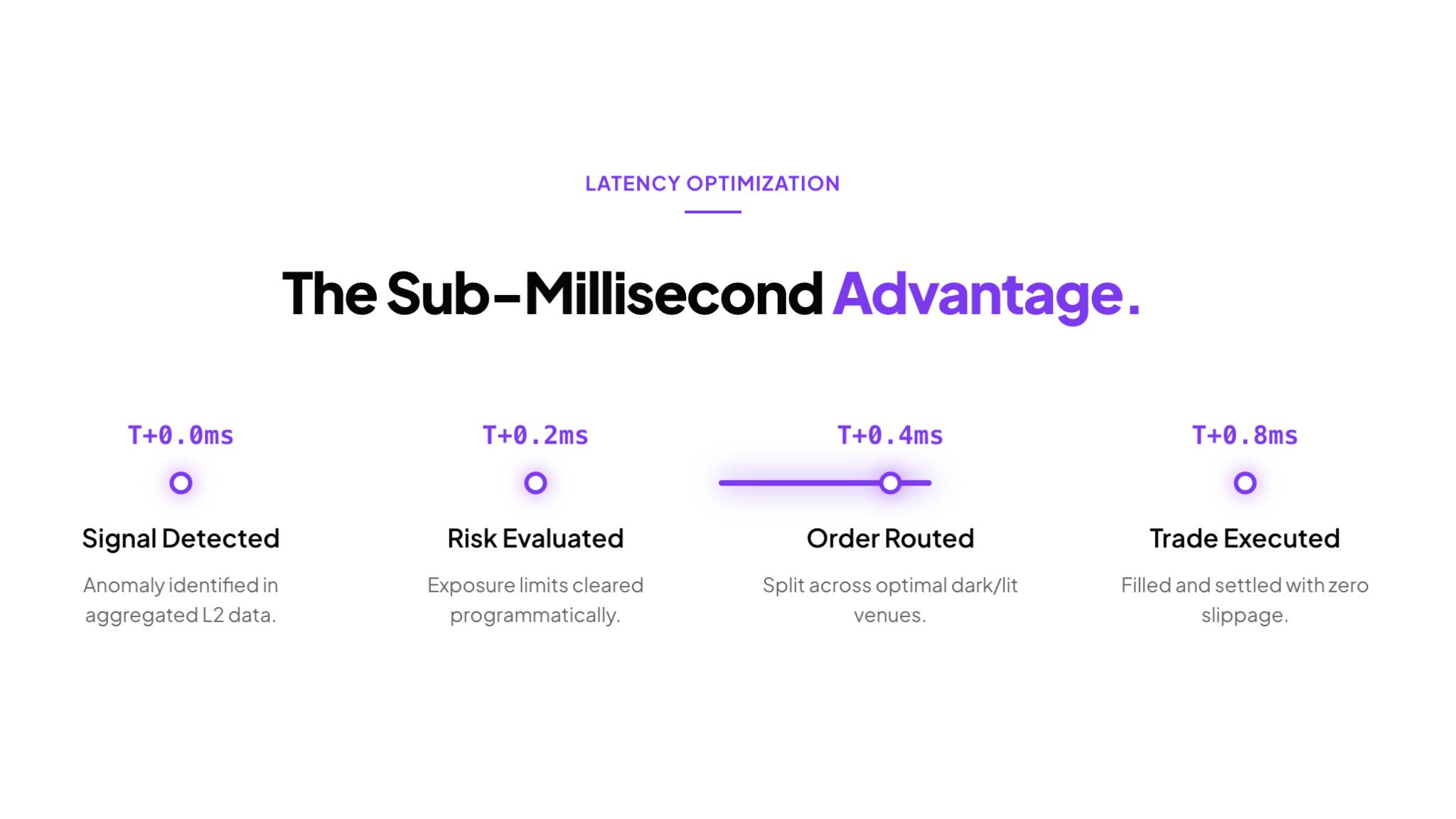
Latency is the time lost between spotting an opportunity and acting on it. The site promotes proprietary low-latency infrastructure. When a strategy targets small gaps, any delay can change the result.
The same goes for the claim about consolidating fragmented liquidity. Reaching liquidity across many venues takes work. Putting it all in one place saves time and effort.
Speed and liquidity also show up together in the site’s opening pitch. It says the systems aim to cut latency and gather scattered liquidity. Those two goals sit side by side in the same sentence.
How Does the Site Frame Its Risk Controls?
Risk engines are one of the four pillars, yet the site adds little beyond the name. The allocation page also carries a Capital Security label. The visible text gives little detail on how either one works.
The site does show a hedged stance on its dashboard. That is the clearest public sign of how the firm handles risk. Readers who want more would need to ask the team directly.
What Does Uncorrelated Return Mean in Practice?
The stated goal is uncorrelated yield, which means returns that don’t move with the wider market. The site says this holds regardless of macroeconomic trends. It presents this as the models’ aim.
A notable detail in this Skytexla.com Review is the fully hedged position on the dashboard. Hedging means using one position to offset another and limit exposure. On paper, that fits the stated objective.
Why Does the Site Stress Removing Emotion?
Skytexla calls its process “The Scientific Method” and sets it against discretionary trading. In discretionary trading, a person’s judgment makes the call. The site offers applied mathematics and data science instead.
This message shows up on more than one page, with similar wording each time. The models are said to enforce discipline and remove emotional bias. This Skytexla.com Review also points out how consistent that wording stays.
What Does the Alpha Matrix Show Visitors?
The analytics page features the Alpha Matrix, a panel the site calls internal telemetry. It gives four readings on the firm’s stance and the market. Here is how they break down.
- Market regime reads risk-off, with elevated volatility, signaling caution.
- Order flow toxicity is high at 0.82 VPIN, which estimates how much volume better-informed traders drive.
- The global liquidity index is expanding, with M2 (the broad money supply) up 1.4%.
- The Skytexla Delta is neutral and fully hedged, suggesting minimal exposure to the market’s direction.
The numbers in this Skytexla.com Review tell a fairly cautious story. Risk-off conditions and toxic order flow sit alongside a hedged stance. All the pieces line up.
What Does a Risk-Off Reading Tell Visitors?
Risk-off describes a mood where investors favor safer assets over riskier ones. Elevated volatility means prices are swinging more than usual. Together, they paint a nervous market picture.
The dashboard then pairs that picture with a neutral, fully hedged stance. In plain terms, the firm shows itself as protected against the swings it describes. That is a tidy match between the market view and the firm’s own position.
How Should a Reader Treat These Numbers?
The panel is a snapshot, not a prediction. The site does not explain how it derives any figure. It also does not say when each reading was taken.
Still, a public page with hard data gives visitors something to react to. A reader can look up VPIN or M2 and see how the site uses each term. That makes the panel a good place to start asking questions.
Why Is a Public Dashboard Worth Noting?
Many trading operations ask visitors to log in before showing their market view. Skytexla puts a sample in the open. The site promotes exclusive access to internal macro models and volatility indicators in its analytics section.
The public panel works as a preview of that offer. A few more insights in this Skytexla.com Review come from that choice. It shows the firm’s data-led credentials and gives newcomers a feel for how the desk works.
Does the Platform Tell a Consistent Story Across Its Pages?
Consistency stands out across the platform. The homepage, research page, and models page all show the same core ideas. The allocation page does too, with only small shifts in framing.
One important takeaway from this Skytexla.com Review is this steady message. It reads like one voice across every page.
How Does the Site Describe Who It Works With?
The allocation page names institutional partners and accredited investors as its audience. It talks about absolute-return mandates and dedicated portfolio structures. An absolute-return mandate aims for positive results regardless of market direction.
The footer disclosure repeats the audience on every page. It lists qualified family offices, endowments, proprietary trading desks, and accredited individuals. Nobody has to guess who the platform is built for.
Where Do the Same Ideas Repeat?
The same themes show up in different forms across the site. These are the main ones.
- Rule-based models in place of discretion.
- Uncorrelated returns.
- Proprietary low-latency infrastructure.
- Liquidity from fragmented markets.
- Dedicated portfolio structures for institutional clients.
What Does the Site Leave Open?
The site does not get into the mechanics. It names no specific models and no data behind the dashboard. A reader would need to call the team for those details.
That is a normal gap for a firm serving institutions. They tend to keep model specifics for private talks. The contact page supports this with a London address, a phone line, and a support email.
There is also a form for a short message and a client portal. Together, they suggest a conversation-first process. That detail is worth noting in this Skytexla.com Review.
The site also includes a note on cookies. It says it uses only essential cookies for secure portal access. It adds that it never uses third-party advertising or tracking cookies.
Wrapping Up
In the end, this Skytexla.com Review comes down to one point. The platform has a clear identity and a voice to match. Its dashboard and steady messaging put a quant story in front of you.
Some finer technical points stay behind the scenes. Anyone planning a first call would do well to bring questions on data sources and model design.