How First Aid Skills Can Make A Difference Before Help Arrives
Unexpected emergencies may occur. The time leading up to the arrival of expert responders is often the most crucial, whether the event is at work, a sports injury, a car accident, or a medical emergency at home. Bystanders’ actions may have a big impact on the result at this time. First aid skills provide individuals with the information and self-assurance they need to react appropriately, stabilising a situation and maybe averting further damage.
Handling serious problems is just one aspect of learning first aid. It is about being ready to act meaningfully when someone needs help. In a variety of circumstances, the capacity to maintain composure and provide prompt treatment may really make a difference.
The Significance Of Quick Reaction
Every minute counts when an emergency arises. Care delays might lower recovery prospects and raise the risk of complications. People who have received first aid training learn how to promptly evaluate a situation, recognise potential risks, and provide suitable support until medical personnel arrive.
The training goes beyond basic skills, as many individuals who attend first aid Gold Coast programs find. It fosters awareness, self-assurance, and the capacity to make wise choices under duress. These traits might come in quite handy in unforeseen situations.
Stabilising An Injured Individual
Stabilising a person’s condition is one of first aid’s main objectives. This might include helping someone who is choking, managing shock, stopping bleeding, or tending to burns and fractures. First aid may lessen the severity of injuries and enhance results, but it cannot take the place of skilled medical care.
A timely reaction might help reassure the person who has been hurt. While waiting for emergency services, knowing that someone is acting often helps to calm the situation and lessen anxiety.
The Vital Function Of CPR
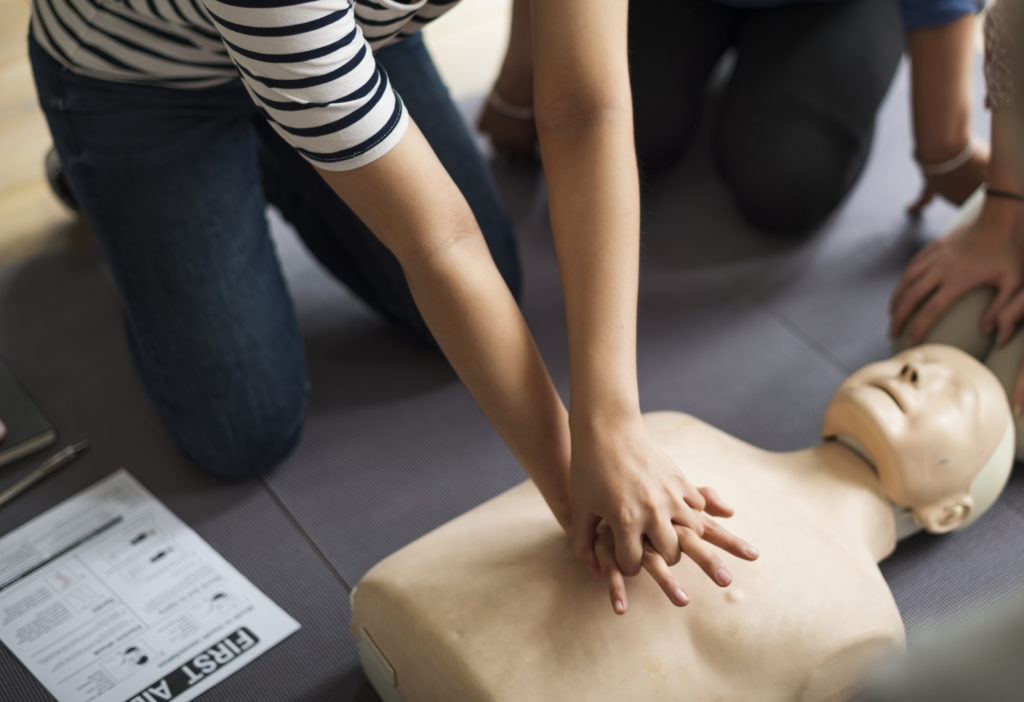
One of the most dangerous circumstances a person may face is a cardiac emergency. Immediate intervention may significantly increase a person’s chances of surviving cardiac arrest. Until more sophisticated medical treatment is available, cardiopulmonary resuscitation, or CPR, helps sustain blood circulation and oxygen supply to essential organs.
The proper methods for administering CPR to adults, children, and newborns may be learned by taking part in a CPR course Gold Coast. In the critical minutes before paramedics arrive, these practical abilities may make a big difference.
The self-assurance that comes with CPR training often motivates individuals to act without hesitation in an emergency, which may be crucial in saving lives.
Increasing Self-Assurance With Training
Uncertainty is a frequent reason individuals don’t help during crises. Many people are afraid of making a mistake or worsening the situation. By offering practical experience and precise instructions on how to react appropriately, first aid education tackles these issues.
Participants gain familiarity with typical circumstances and emergency protocols via training. This familiarity often results in increased self-assurance and a greater desire to assist others when necessary.
The desire to be better equipped for crises at home, at work, or in the community is often what drives people looking for Gold Coast first aid training near me. The information acquired via training might last for years and may come in handy when you least expect it to.
Promoting Safer Communities And Workplaces
People are not the only ones who gain from first aid training. They support safer workplaces, educational institutions, athletic teams, and neighbourhood associations. There is a higher chance that someone in the area will be able to help in an emergency when more individuals are trained.
Additionally, employers understand the need to have personnel with the necessary training to handle situations at work. A robust first aid culture fosters readiness and makes the environment safer for everybody.
Because they are more prepared to support one another in the case of an emergency, communities with a greater number of trained persons tend to become more resilient.
Getting Ready For Regular Emergencies
Not all emergencies result in potentially fatal injuries. Cuts, falls, sprains, allergic responses, and heat-related diseases are common minor accidents. For managing these circumstances successfully and with confidence, first aid training is essential.
Being ready for typical crises might help individuals feel less stressed and act fast. Additionally, it keeps small problems from becoming worse since treatment is delayed.
Conclusion
In any emergency, the amount of time until expert assistance comes might be crucial. Possessing first aid abilities enables people to respond quickly, provide assistance, and stabilise sick or wounded people until medical experts can take control. These abilities may have a long-lasting effect on outcomes, from treating common injuries to administering CPR in life-threatening circumstances.
Purchasing first aid training is an investment in one’s own readiness, the safety of the community, and the capacity to make a difference when it counts most. The information acquired now could be the help that someone desperately needs tomorrow.