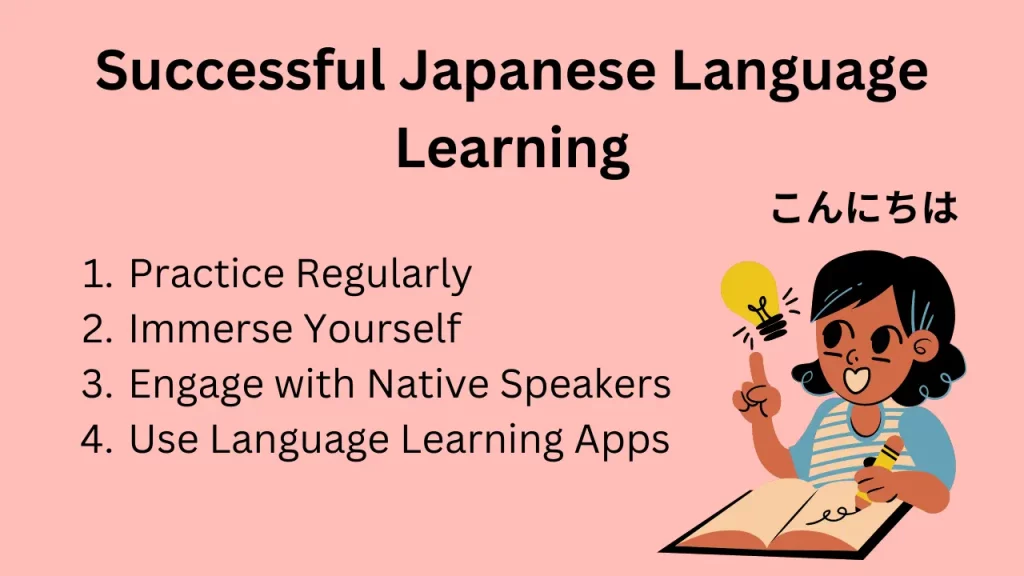
Immersing Yourself in the Language: How to Learn Japanese Effectively
Learning Japanese is more than just a linguistic challenge—it’s an invitation to explore a culture rooted in tradition, innovation, and subtle nuance. Whether you’re drawn to the language through anime, business, travel, or personal curiosity, the journey to fluency can be both rewarding and immersive if approached the right way. The secret? Blending structured learning with real-world application.
Make Immersion Part of Your Routine
To truly grasp Japanese, you need more than just a textbook. Immersion is the most natural and sustainable way to absorb a new language. Even if you’re not living in Japan, you can create an immersive environment by:
- Watching Japanese TV shows, dramas, or anime with Japanese subtitles
- Listening to Japanese music or podcasts during your commute
- Following Japanese YouTube channels or TikTok creators
- Changing your phone’s language settings to Japanese
Immersion not only reinforces vocabulary and grammar, but it also trains your ear for native pronunciation and cadence. Over time, the language becomes less foreign and more instinctive.
Use Technology to Accelerate Your Learning
While immersion is powerful, combining it with smart tools will dramatically improve your retention and progress. Language apps, flashcards, and browser extensions can help you turn passive exposure into active learning.
A great place to begin is this comprehensive guide on how to learn Japanese effectively. It offers a tech-enhanced approach to mastering Japanese, with step-by-step methods that include spaced repetition systems (SRS), personalized vocabulary building, and real-world sentence mining from Japanese media.
What makes this approach effective is that it doesn’t rely solely on traditional study methods—it shows you how to make Japanese part of your everyday life, so learning becomes natural and continuous.
Cultural Fluency Enhances Language Fluency
Learning Japanese isn’t just about knowing the words—it’s about understanding the culture behind them. For example, the language has many levels of politeness, and choosing the right form depends on age, status, and context. Words like “yoroshiku onegaishimasu” carry layers of cultural meaning that go far beyond literal translation.
To build cultural fluency alongside your language skills, try:
- Cooking Japanese dishes at home and learning food-related vocabulary
- Attending local Japanese cultural events or community festivals
- Exploring traditional arts like calligraphy (shodō) or flower arrangement (ikebana)
- Reading about customs like omotenashi (hospitality) or seasonal traditions
These experiences deepen your understanding of Japan and make your language learning far more intuitive and meaningful.
Set Realistic Goals and Stay Consistent
Japanese is considered one of the more difficult languages for English speakers, especially because of its three writing systems—hiragana, katakana, and kanji. But don’t let that intimidate you. Fluency isn’t a sprint—it’s a long, rewarding journey.
Set short-term goals to keep motivated:
- Learn the hiragana and katakana alphabets in your first month
- Practice writing simple journal entries in Japanese
- Memorize the most common 100 kanji characters
- Have a 5-minute conversation with a native speaker
The key is consistency. Even 20–30 minutes a day of focused practice can lead to major gains over time.
Your Journey Starts Here
Japanese is a beautiful, layered language that opens the door to a rich and fascinating culture. With the right balance of immersive experiences, smart study techniques, and cultural curiosity, you’ll find yourself not just learning Japanese—but thinking and feeling in it.
If you’re ready to take the next step, explore this detailed and practical guide on how to learn Japanese effectively. It’s a fantastic starting point for learners who want to build lasting fluency in a fun, modern, and sustainable way.