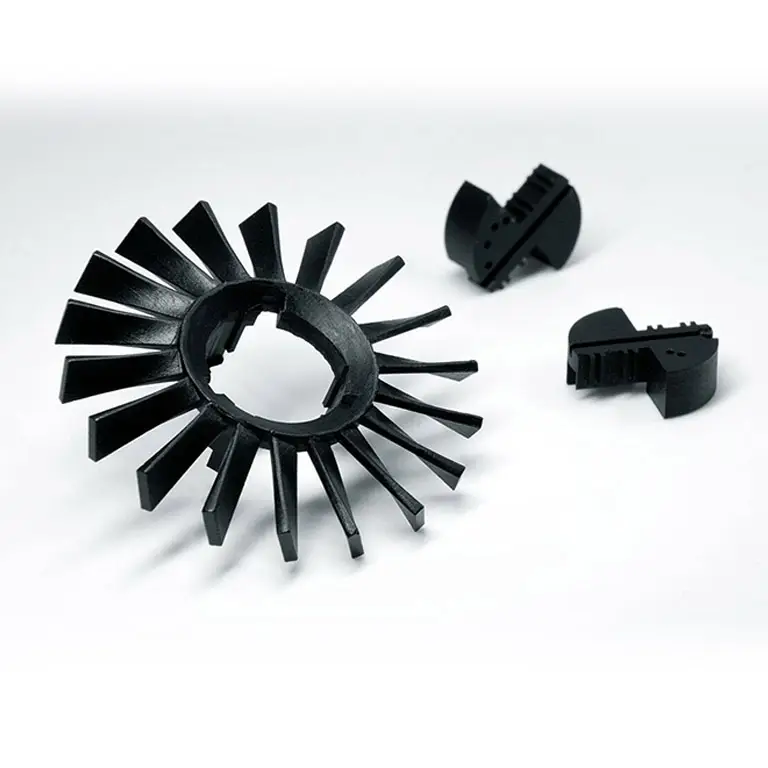
Rapid Injection Molding: Transforming Product Development
In the fast-paced world of manufacturing, optimizing production processes is crucial for maintaining a competitive edge. Rapid injection molding has emerged as a game-changing technique that streamlines the creation of molds and parts, ensuring greater efficiency in product development. This innovative method allows businesses to swiftly transition from concept to prototype, substantially reducing both time and costs.
Advancements in Rapid Tooling Techniques
The evolution of rapid tooling technologies has significantly impacted how manufacturers approach mold-making. Methods such as CNC machining and 3D printing have revolutionized the traditional injection molding process. These advancements enable faster production of intricate designs. This paves the way for high-quality prototypes and short-run production—without the long wait times of conventional processes.
Cost-Effectiveness of Rapid Injection Molding
One of the primary benefits of adopting rapid injection molding techniques is the notable reduction in costs. Traditional methods of mold production can be prohibitively expensive and time-consuming. In contrast, advanced technologies, such as those employed by HordRT, minimize material waste and enable faster production cycles. This cost efficiency allows businesses, particularly startups and small manufacturers, to allocate resources more effectively while still achieving high-quality outputs.
Applications Across Various Industries
The versatility of rapid injection molding makes it applicable across multiple sectors, including automotive, consumer goods, and medical devices. By leveraging the speed and precision of advanced manufacturing technologies, companies can produce functional prototypes and small batches tailored to specific needs. HordRT, with its innovative approach, highlights the potential for customized solutions, catering to unique requirements within diverse industries.
Conclusion
Rapid injection molding represents a significant evolution in the mold-making arena, driven by technological advancements that enhance efficiency and cost-effectiveness. The approach taken by brands like HordRT exemplifies how modern manufacturing practices can adapt to meet the evolving demands of the market. As industries continue to seek innovative solutions, the role of rapid injection molding in product development will only become more critical.