Rubber Injection Molding Machine: Why Process Stability Matters
High-voltage insulation components made from HTV silicone can be long, heavy, and geometrically demanding. Stable output requires controlled material feeding, air removal, injection, clamping, heating, and curing. An HTV silicone insulators injection machine must maintain these conditions across the entire mold rather than at one convenient measurement point.
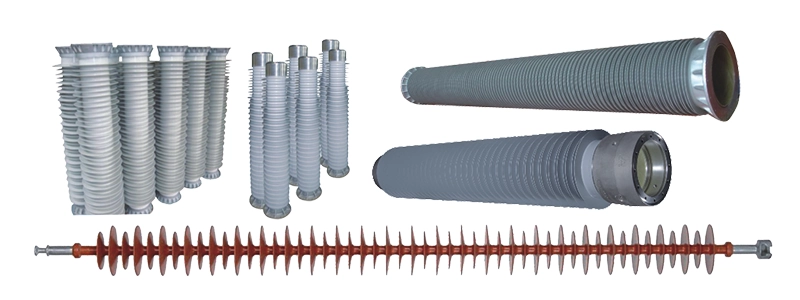
For long insulation components, the rubber injection molding machine should be validated across the full mold length rather than at one convenient measurement point. Trials should map temperature distribution, optimize injection-speed and pressure changeover points, and confirm cure time at the slowest-heating location. The approved recipe should then be locked with traceable requalification rules after mold, compound, heater, or control changes. Process stability comes from matching the equipment layout to the part, then preserving validated settings and mechanical condition throughout production.
Map Temperature Across the Full Mold Length
Temperature mapping should cover the full mold length after thermal stabilization and during representative production cycles. Sensors or verified measurement points should include the ends, center, thick sections, and the locations expected to heat most slowly. The study should record heat-up time, cycle-to-cycle variation, and part results by location. One controller value cannot demonstrate that a long mold has reached a uniform and repeatable condition.
Dekuma designs its RT Series around long HTV silicone components. A top-opening mold structure reduces overall operating height, helping factories accommodate long tools without creating an unnecessarily tall loading and service arrangement.
Floor loading, ceiling clearance, lifting access, utilities, guarding, and product-removal paths must be reviewed before installation. A machine can meet its core specifications yet remain difficult to operate if the surrounding factory space does not support the full motion envelope.
Handling devices must support the product without damaging sheds or interfaces. Reference positions and sensors are required to confirm that the mold is fully open and locked before loading or removal begins. Automated movement needs to never depend only on elapsed time.
Optimize Injection Speed and Pressure Changeover Points
In this rubber injection molding machine, centered mold loading is maintained by a block-style clamping arrangement designed for long, heavy insulation tooling. When opening reaches its limit, automatic locking protects mechanical, hydraulic, and electrical components while the mold area is accessed.
Injection-speed and pressure changeover points should be developed through short-shot or staged-filling trials with the actual mold and compound. Each step should record fill pattern, trapped air, flash, part weight, and location-specific inspection results. The final switching point should complete difficult regions without using excessive pressure to conceal poor venting or thermal imbalance. The selected profile must remain stable across repeated cycles.
Alignment and guide condition influence force distribution across a long tool. Regional flash or thickness variation may indicate developing wear or setup error. Inspection data is expected to retain the location of each result instead of combining all measurements into one average.
Low-pressure closing and position feedback protect the mold from misplaced inserts, residual parts, or foreign material. Full clamping force must be applied only after the closing path is clear and every required condition has been confirmed.
Verify Cure Time at the Slowest-Heating Location
Cure validation should focus on the slowest-heating location identified by the temperature map. Samples from that region should be compared with samples from faster-heating areas across several consecutive cycles. Surface condition alone is insufficient; dimensions, cure evidence, and application-specific electrical or mechanical results should support the selected cure time. The approved setting should include margin for normal material and temperature variation.
An HTV silicone insulators injection machine needs sufficient volume and pressure for the product without excessive residence time. Injection speed, switching position, venting, and holding should be developed with the actual mold and compound. Greater pressure alone cannot correct poor thermal or venting conditions.
Trapped air can affect surfaces and internal integrity. Machine degassing and mold vents work together, while the fill sequence determines how gas leaves the cavity. Application-specific electrical and mechanical tests provide evidence beyond visual inspection.
Uniform heat and correct cure time are equally important. Distributed mold measurements can detect zones that a central display misses. Heater, sensor, insulation, and platen condition should be reviewed after maintenance and whenever cure-related results begin to change.
Lock the Window with Traceable Recipes and Requalification
The approved window should identify material lot, mold revision, temperature map, injection profile, switching point, holding conditions, cure time, alarms, and acceptance results. Recipe access should be controlled and every authorized revision should state its reason and supporting evidence. Mold repair, compound change, heater or sensor replacement, and control changes should trigger defined requalification before normal production resumes.
Dekuma’s RT platform should be qualified with representative long molds and parts, including measurements from different cavity zones. This shows whether material preparation, pressure holding, heating, and clamping remain uniform across the geometry instead of allowing an acceptable average to hide a local weakness.
Process records should link material lot, mold, temperatures, injection conditions, cure time, alarms, and inspection. When a regional defect appears, this history helps separate material, heating, clamping, injection, and handling causes.
Stable production depends on equipment condition and trained personnel as much as control technology. Scheduled work on hydraulics, locks, guides, sensors, heating, and injection components preserves the verified process. With disciplined changeovers and inspection, the machine may support repeatable long-part insulation molding.
Acceptance sampling should include different locations along the component and multiple cycles after thermal stabilization. Surface appearance, dimensions, cure condition, and application-specific tests provide complementary evidence. Local defects can otherwise disappear inside an acceptable average for a very long part.
Maintenance release should confirm mold locking, alignment, hydraulic response, sensor accuracy, and heating distribution before unrestricted production resumes. A documented first-off review creates a clear link between service work and product approval.
Capacity planning should include material preparation, long cure periods, loading, removal, inspection, and mold changes. Focusing on injection time alone can justify automation in the wrong area while the cell remains constrained by heating or handling.
Critical-spare planning should cover locks, transducers, hydraulic seals, heaters, controllers, and injection wear parts according to lead time and production consequence.